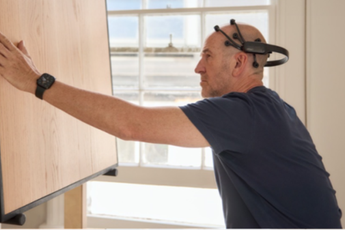
Wellbeing
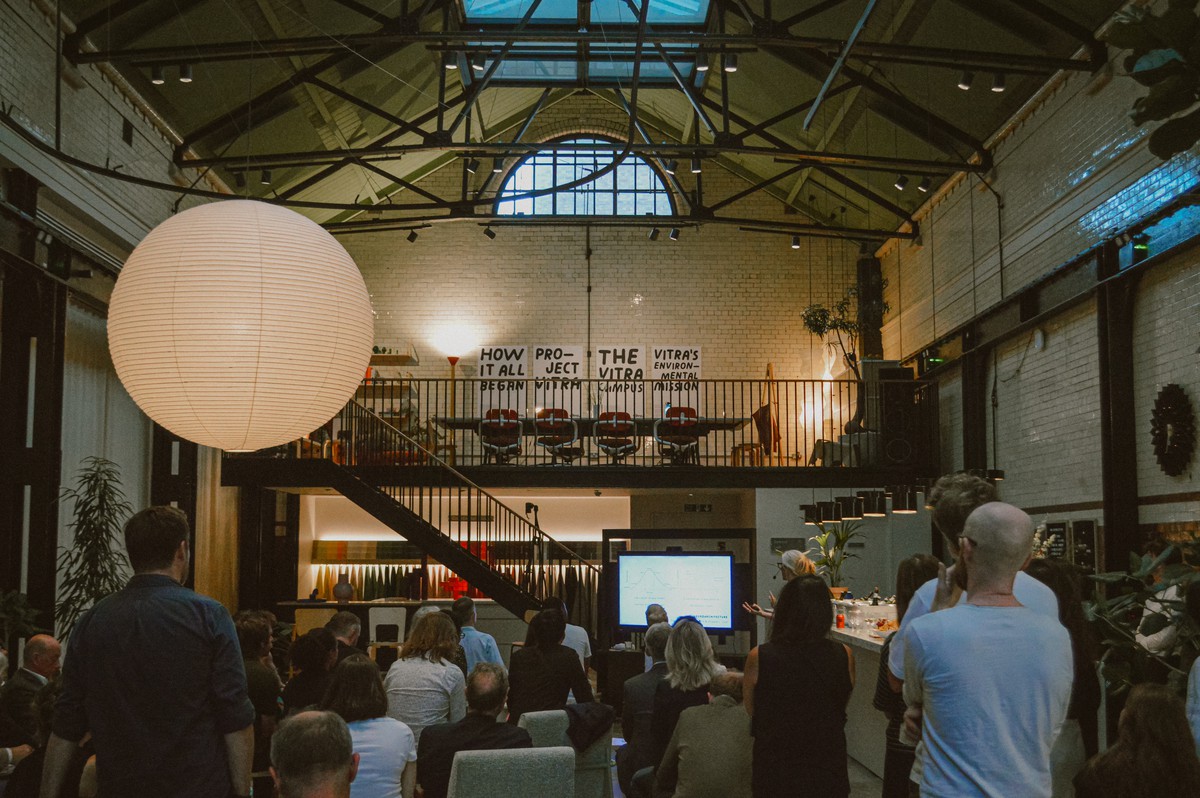
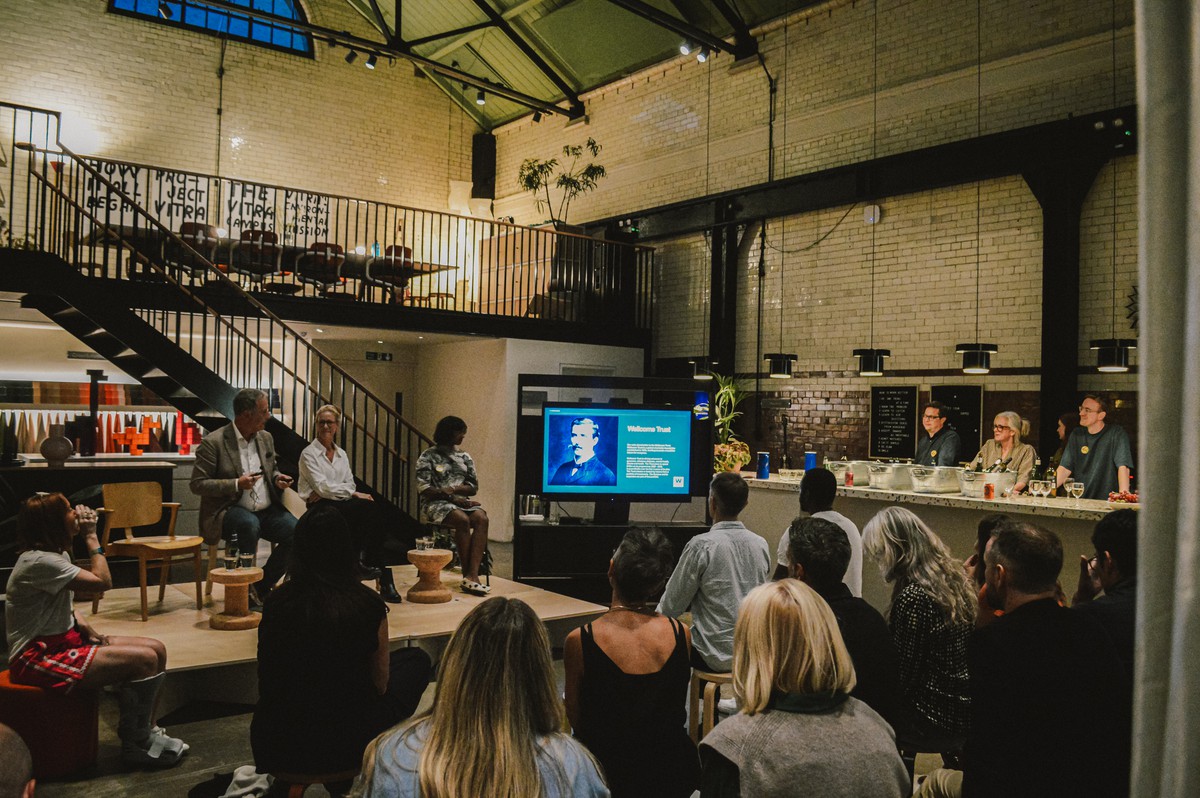
Last week, we brought together architects, scientists, researchers and industry leaders to explore the relationship between architecture and human wellbeing and launch Waugh Thistleton’s latest research in this area.
We believe architecture should actively support human health and wellbeing. Through design research and post-occupancy evidence, we are exploring how buildings can improve everyday experience through comfort, connection, movement and the quality of the spaces we inhabit.
Presented by Associate Director Kirsten Haggart, the research looks beyond wellbeing as a collection of features or add-ons. Instead, it explores how the spaces and materials around us can shape everyday experience, identifying five interconnected principles that can contribute to healthier, more supportive environments: variety, spatial quality, biophilia, agency and nudge.
We were joined by Nimi Attanayake, co-founder of NimTim Architects, Anna Ervast, COO of Swedish timber developer Folkhem, and Robert Evans, whose work includes the development of King’s Cross. Together, the panel explored how architecture can support physical and psychological wellbeing, from the materials we build with and our connection to nature, to the choices we have within our environments and the ways spaces can encourage movement and social interaction.
As Andrew Waugh observed:
“We started building with timber more than twenty years ago because we needed to radically reduce the carbon impact of construction. What we discovered was something more: timber makes wonderful places to be. It has a warmth and humanity that people instinctively respond to. Our research into wellbeing is beginning to put evidence behind what we’ve felt for years – that the materials we build with don’t just affect the planet, they affect us.”
This is the beginning of a wider conversation about how architecture can support human wellbeing. As we continue to develop our research and apply these principles to our projects, we want to better understand not only how buildings perform, but how they shape everyday experience.