Multimax
A system to deliver high-quality, low-carbon homes on small sites
Status
Construction
May 2025
Client
WeCanMake
RIBA workstages
Concept to Tender
Partners
WeCanMake
Price & Myers
BlokBuild
E3 Consulting Engineers
Efectis

MultiMax is a new open-source housing system designed to help communities deliver high-quality, low-carbon homes on small urban sites. It results from a collaboration between WeCanMake, Waugh Thistleton Architects, Price & Myers, BlokBuild, E3 Consulting Engineers and Efectis, combining expertise in community-led housing, sustainable design, engineering and fire safety.
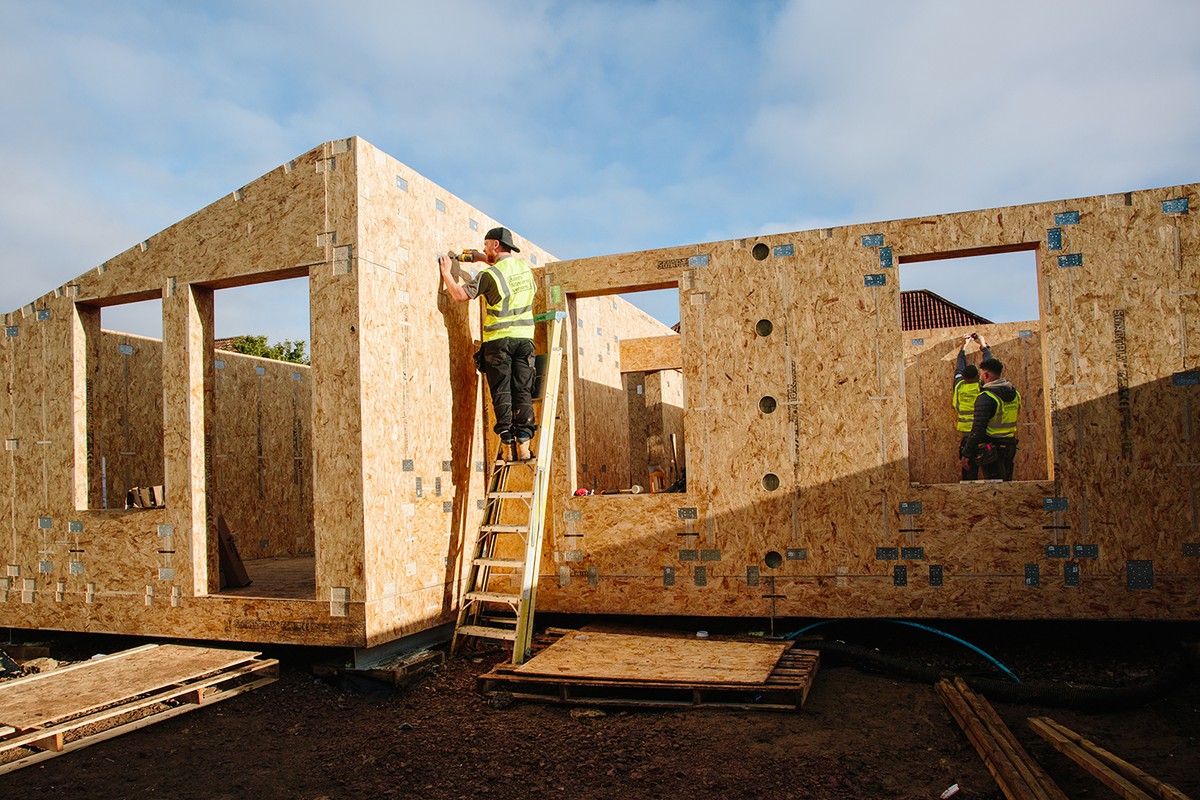
The MultiMax System is a standardised, pre-approved timber ‘kit of parts’ for low-rise residential buildings under 11 metres. Designed to demonstrate how locally grown timber and biomaterials can replace high-carbon materials like concrete and steel, MultiMax offers an affordable, low carbon solution for new housing.
Tested on real sites and within the UK planning system, the system is adaptable to a range of neighbourhoods and housing types. It addresses urgent challenges in the UK housing sector - rising carbon emissions, poor-quality construction, and unmet housing needs - by providing a replicable model for sustainable, buildable homes.
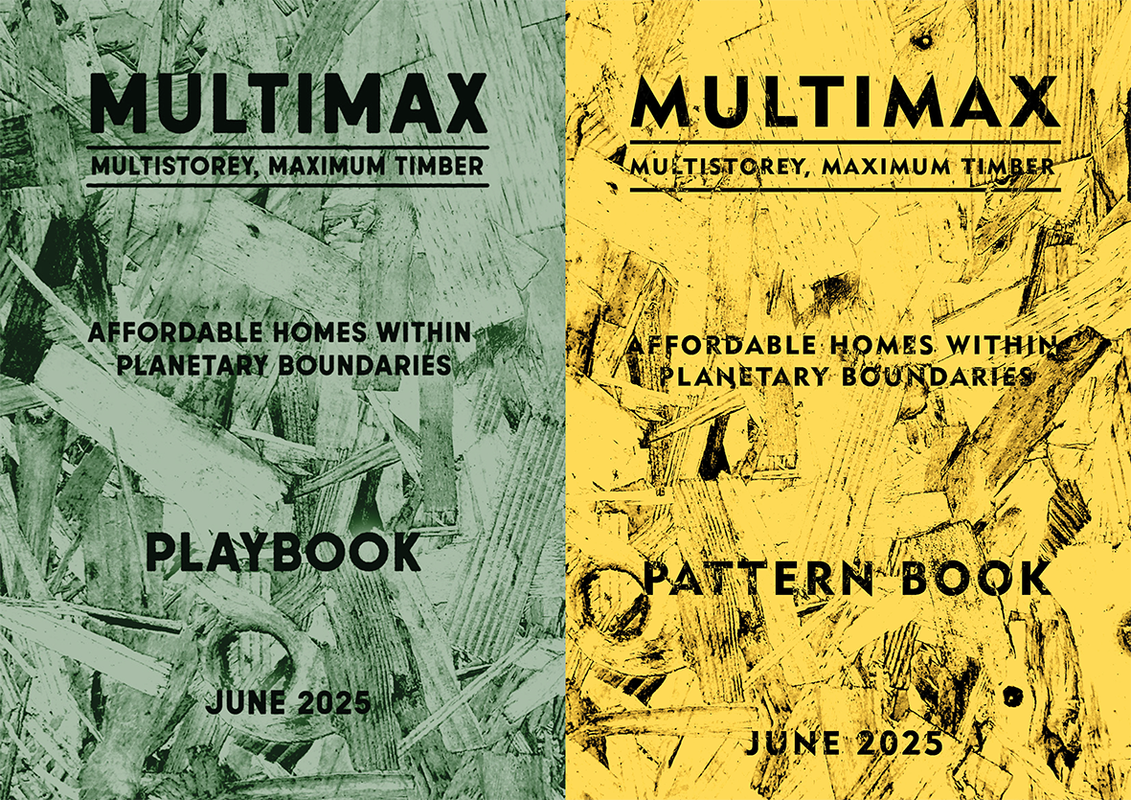
Playbook
Booklet 1 presents the research behind MultiMax and the story of WeCanMake’s real-world demonstration sites. It explores how the system unlocks infill sites for affordable homes, and how using homegrown timber can reconnect construction with local materials and culture, while fostering long-term stewardship. Aimed at community groups, councils, and not-just-for-profit developers, the PlayBook is an open source resource for people and places to adapt and adopt to create decent and affordable homes within planetary boundaries in their own context.
The Pattern Book
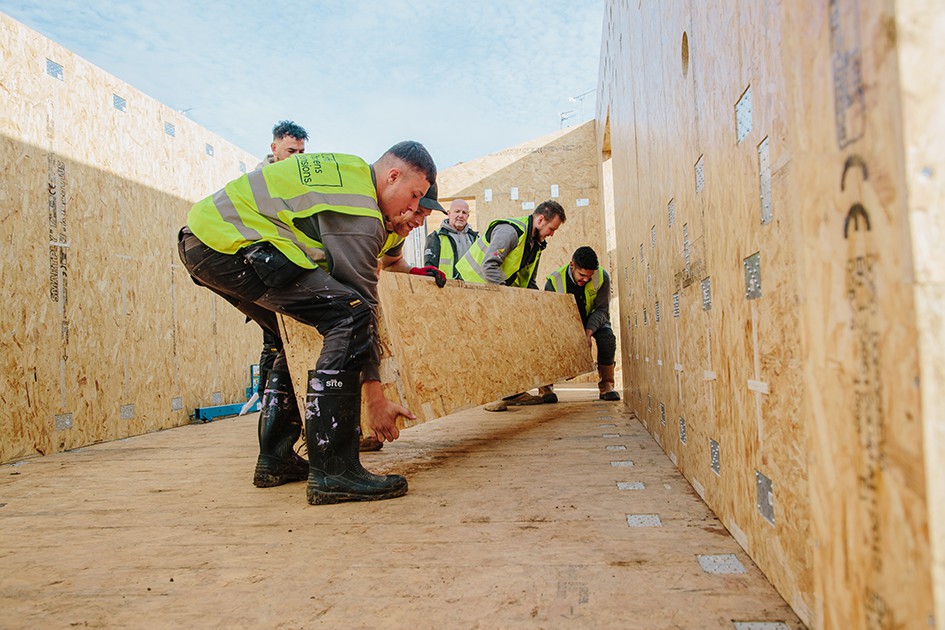
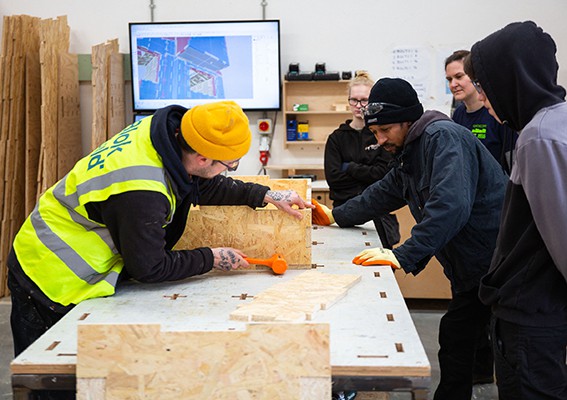
This second guide sets out the core design principles, technical guidance, and performance standards for using the MultiMax System. Aimed at architects, designers and others involved in delivering high quality, low carbon housing, it supports straightforward construction methods. The system is designed to be built by general tradespeople, avoiding reliance on specialist contractors.
The solutions represented reflect a ‘worked example’ demonstrating the potential for compliance with statutory regulations. While this is intended to signpost solutions in order reduce barriers to low carbon construction by non-specialist clients and contractors, any and all projects implementing the guidance herein will be required to satisfy all pertinent statutory guidance entirely independent of this guidance. As such, all projects implementing the guidance will benefit from the early involvement of a Registered Building Control Approver as well as a team of suitably competent professional designers.